

Hnycareershub
Add a review FollowOverview
-
Founded Date March 25, 1989
-
Sectors Graduate IT Contractor
-
Posted Jobs 0
-
Viewed 25
Company Description
NHS: A Universal Embrace
In the sterile corridors of Birmingham Women’s and Children’s NHS Foundation Trust, a young man named James Stokes moves with quiet purpose. His polished footwear move with deliberate precision as he acknowledges colleagues—some by name, others with the universal currency of a “good morning.”

James displays his credentials not merely as institutional identification but as a declaration of belonging. It hangs against a pressed shirt that betrays nothing of the tumultuous journey that brought him here.
What distinguishes James from many of his colleagues is not obvious to the casual observer. His demeanor discloses nothing of the fact that he was among the first participants of the NHS Universal Family Programme—an initiative created purposefully for young people who have experienced life in local authority care.
“I found genuine support within the NHS structure,” James reflects, his voice steady but tinged with emotion. His remark captures the heart of a programme that seeks to transform how the vast healthcare system views care leavers—those often overlooked young people aged 16-25 who have transitioned from the care system.
The statistics paint a stark picture. Care leavers frequently encounter higher rates of mental health issues, economic uncertainty, shelter insecurities, and reduced scholarly attainment compared to their contemporaries. Underlying these cold statistics are individual journeys of young people who have traversed a system that, despite genuine attempts, regularly misses the mark in providing the supportive foundation that shapes most young lives.
The NHS Universal Family Programme, initiated in January 2023 following NHS England’s commitment to the Care Leaver Covenant, signifies a substantial transformation in institutional thinking. Fundamentally, it acknowledges that the entire state and civil society should function as a “communal support system” for those who have missed out on the security of a typical domestic environment.
Ten pioneering healthcare collectives across England have led the way, establishing systems that reconceptualize how the NHS—one of Europe’s largest employers—can open its doors to care leavers.
The Programme is thorough in its strategy, beginning with thorough assessments of existing policies, creating management frameworks, and obtaining senior buy-in. It understands that meaningful participation requires more than good intentions—it demands tangible actions.
In NHS Birmingham and Solihull ICB, where James began his journey, they’ve created a reliable information exchange with representatives who can offer support, advice, and guidance on personal welfare, HR matters, recruitment, and inclusivity efforts.
The standard NHS recruitment process—formal and possibly overwhelming—has been intentionally adjusted. Job advertisements now emphasize character attributes rather than extensive qualifications. Application procedures have been reimagined to address the particular difficulties care leavers might experience—from lacking professional references to facing barriers to internet access.
Possibly most crucially, the Programme acknowledges that entering the workforce can create specific difficulties for care leavers who may be managing independent living without the support of family resources. Issues like commuting fees, identification documents, and bank accounts—taken for granted by many—can become major obstacles.
The brilliance of the Programme lies in its meticulous consideration—from clarifying salary details to providing transportation assistance until that essential first wage disbursement. Even ostensibly trivial elements like rest periods and professional behavior are thoughtfully covered.
For James, whose NHS journey has “revolutionized” his life, the Programme delivered more than work. It provided him a perception of inclusion—that ineffable quality that grows when someone feels valued not despite their background but because their distinct perspective enriches the workplace.
“Working for the NHS isn’t just about doctors and nurses,” James comments, his gaze showing the subtle satisfaction of someone who has secured his position. “It’s about a family of different jobs and roles, a team of people who truly matter.”
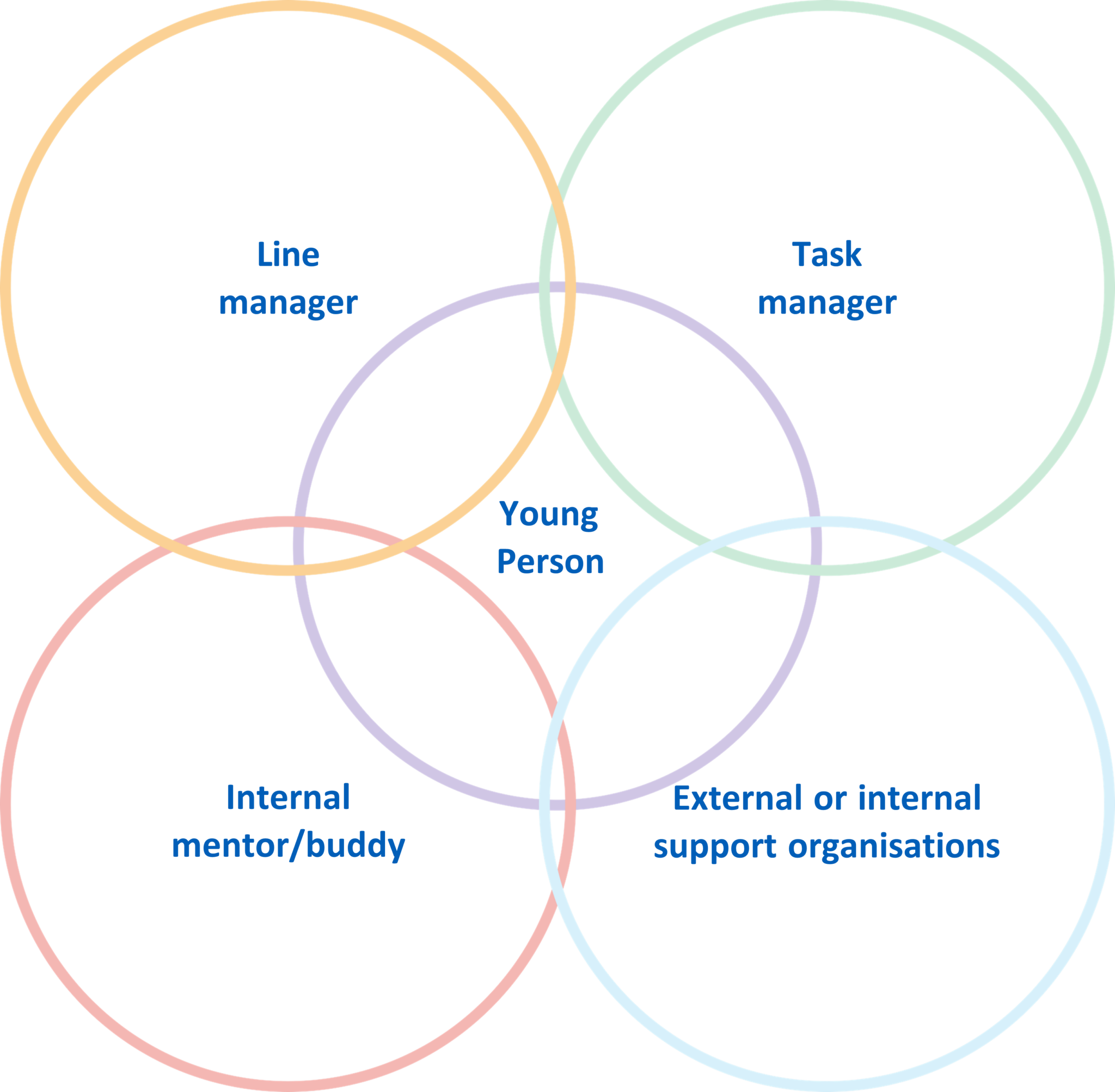
The NHS Universal Family Programme exemplifies more than an work program. It exists as a strong assertion that institutions can adapt to include those who have navigated different paths. In doing so, they not only change personal trajectories but enhance their operations through the special insights that care leavers contribute.
As James moves through the hospital, his involvement silently testifies that with the right help, care leavers can succeed in environments once considered beyond reach. The embrace that the NHS has extended through this Programme represents not charity but appreciation of overlooked talent and the profound truth that each individual warrants a community that supports their growth.